

Review of Star Wars Zero Company: Not just XCOM about a galaxy far, far away

Against the backdrop of a shortage of strong Star Wars projects and large-budget tactical strategies, Star Wars Zero Company was perceived positively, but without hype. Everyone expected that the former Firaxis employees, gathered in the new Bit Reactor studio, would, without much invention, bungle “XCOM, but about the Clone Wars.” However, driven by the Force, the authors not only rethought and increased their experience in the genre of tactical strategies, but also gave us those bright emotions that we expect from the Star Wars universe and have so rarely received in recent years.
The events of Zero Company take place during the decline of the Galactic Republic, between the second and third episodes of the film saga. Our protagonist, generated in the editor, is Captain Hawks (almost Shepard!), the disgraced commander of a squad of clones, and now the head of a small group of mercenaries “Zero Company”, roaming the expanses of the universe and carrying out orders for clear credits. At the point of imminent bankruptcy, he is approached by a Republican intelligence officer and an impoverished aristocrat who are investigating the machinations of the Endless Spiral cult, associated with the Confederacy of Independent Systems and threatening the entire Galaxy.
The comparison with Mass Effect is not accidental - almost all the charm of Zero Company rests on two pillars: a catchy, dense narrative and incredibly charismatic live partners. In the history of Zero Company, there was a place for familiar, but stunningly played out elements of the beloved universe: odious villains, unexpected betrayals, dramatic losses, luxurious cameos, and fan service, which is clearly tied to the geography and chronology of Star Wars. Brush up on the prequel trilogy and especially the last three seasons of The Clone Wars is highly recommended - otherwise you risk missing out on a lot of interesting things.

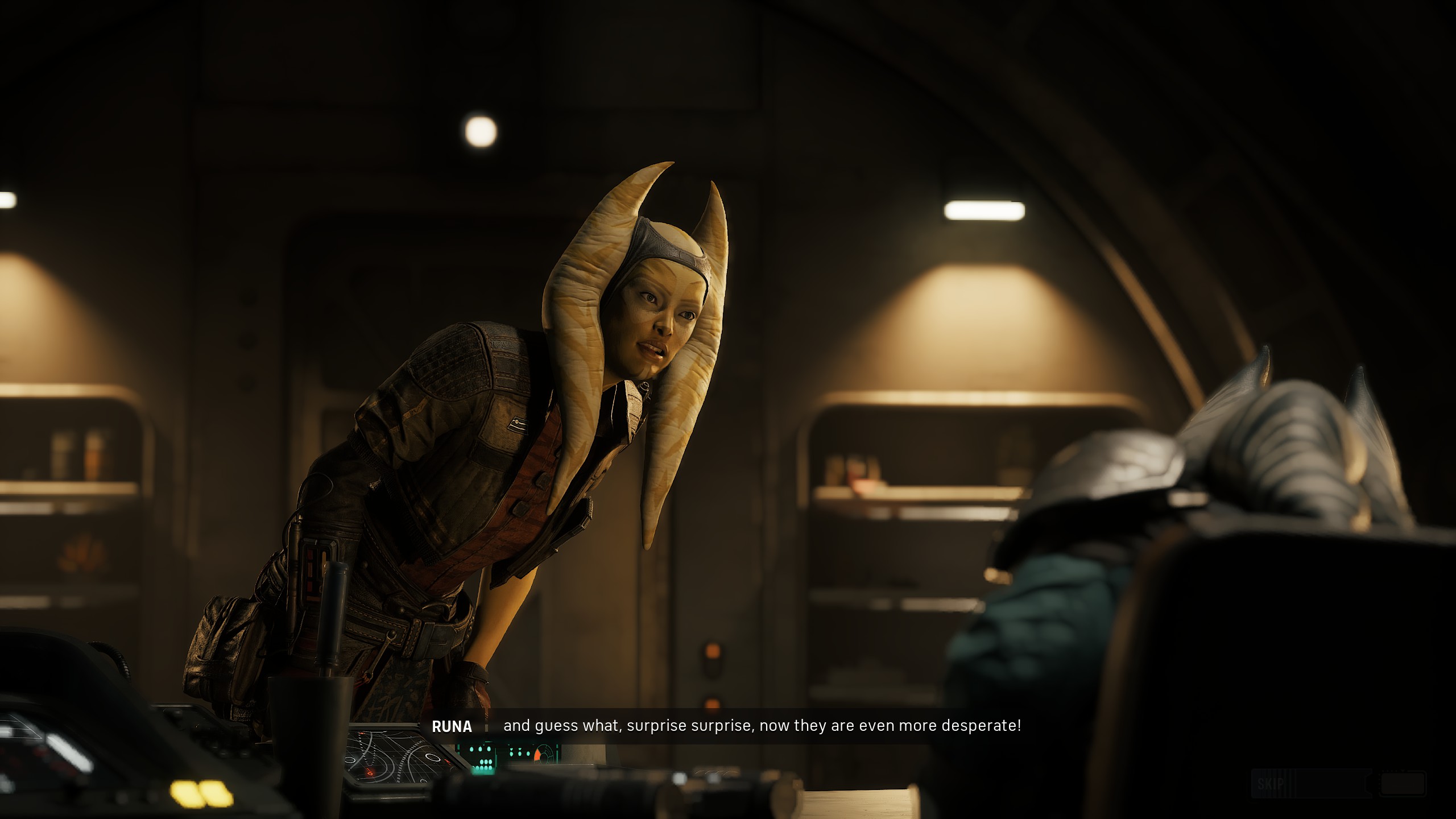
But the coolest thing about Zero Company is that the story does not unfold parallel to familiar events - it neatly fits between them, and most importantly, plays out through vivid dialogue and wonderful characters.Our mercenaries are full of familiar archetypes: the prim Baroness, the taciturn bounty hunter from Mandalore, the rude Republic clone commissar, the cold and helpful medical droid, the Jedi Padawan who is unsure of herself after the death of her teacher, and so on. But their backstories, relationships and characters are worked out in such detail that it feels like you are playing a full-fledged RPG with roleplaying, party selection and showdowns in a tent camp. And some heroes may die or leave forever, and this enhances the feeling of a great role-playing adventure, far from the battles of nameless dummies.
Even when there is relative calm in the mainstream history, serious squabbles, scandals and intrigues occur within the team. The arc of the Umbaran sniper Luko and our friend, the clone stormtrooper Trick, turned out to be especially cool. No Star Wars project has ever brought together a former separatist and a devoted Republican in one team so beautifully. And all this, by the way, directly affects the gameplay, which traditionally consists of strategic and tactical levels.

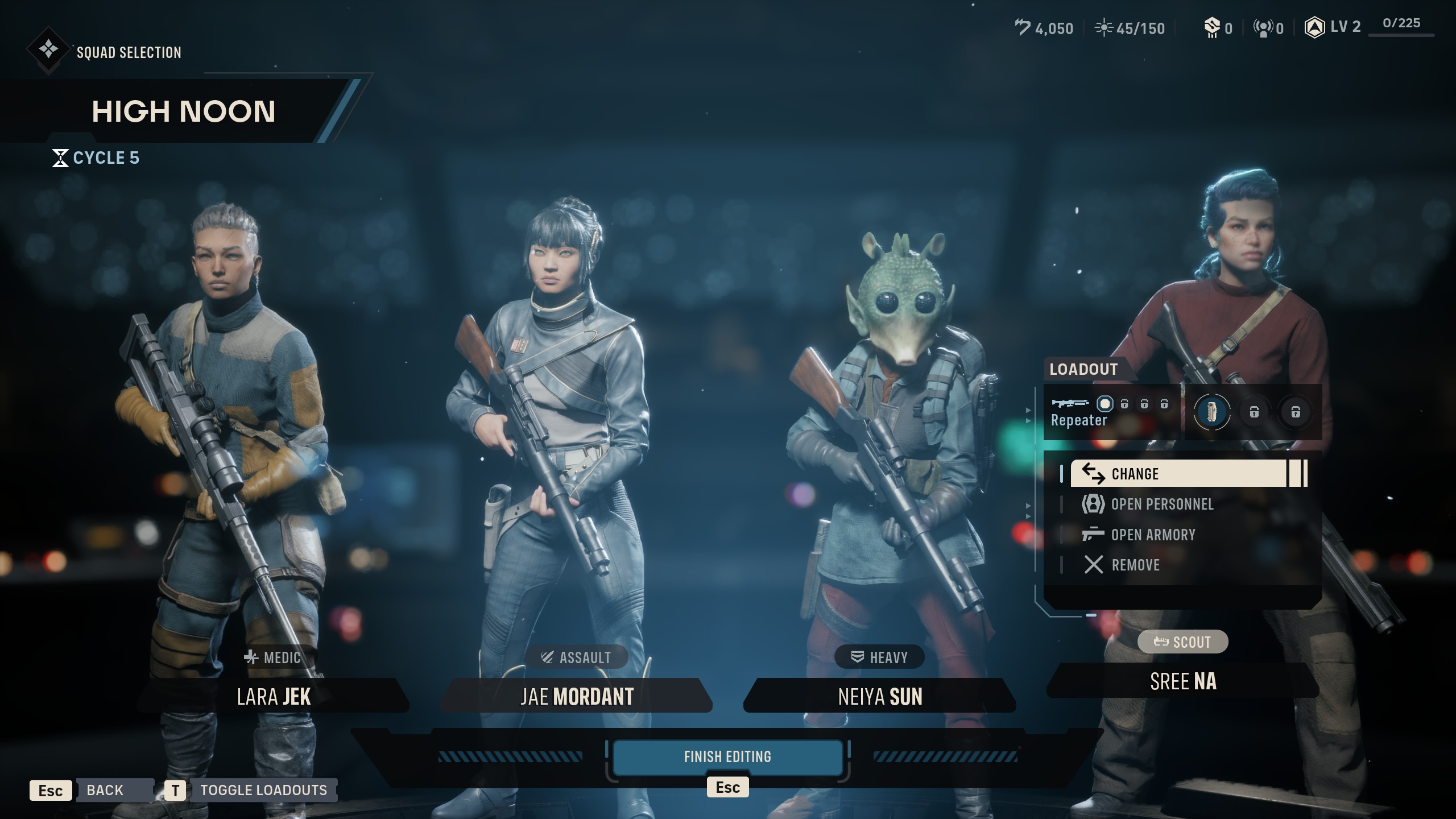
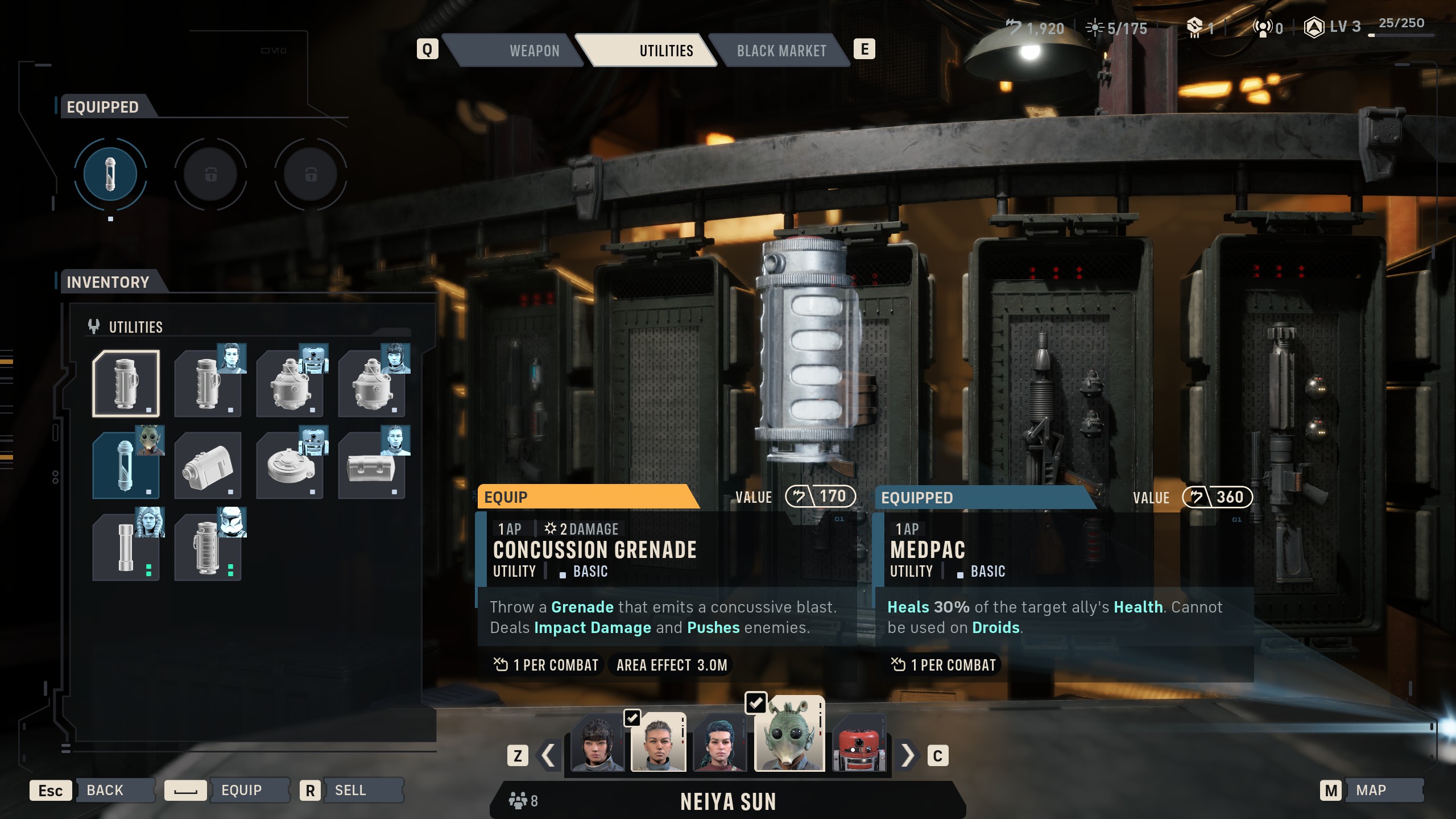
Just like in Marvel’s Midnight Suns, in the interval between tasks we find ourselves at the base, where we can freely run around and chat with our partners. There we customize, upgrade and equip fighters, buy upgrades for the team, ship and weapons. There are always not enough loans and intelligence data, so you have to carefully decide what is more important at the current stage - improving blaster rifles, hiring a new fighter for the team, going to the black market for some useful equipment, or saving money.
Separately, reconnaissance operations have to be carefully planned. These small text quests may not only contain a hidden reward or, conversely, an offensive debuff, but also increase our influence in the chosen sector of the Galaxy.By filling the scale, performing operations and establishing contacts, our PMC receives a pleasant bonus depending on the influence, for example, increasing the health level of the entire squad or improving the quality of items on the black market. Having finished our business at the base, we, consisting of four people, go on a mission - a side one, where we usually need to commit sabotage and escape - or on full-fledged staged story missions.
The latter should be praised separately, because almost every mission offers a unique tactical challenge in familiar scenery with luxurious staging and beautiful cutscenes. So, in one mission you will have to rush headlong to the evacuation point under the bombs of assault droids, in another - with the support of one of the most famous heroes of the saga, fight off cultists, and in the third - to defend the narrow bridge of a spaceship from endless waves of enemies. The only negative of Zero Company is its very weak replayability, which is almost compensated by the wealth of tactical possibilities and scope for creating a dream team.

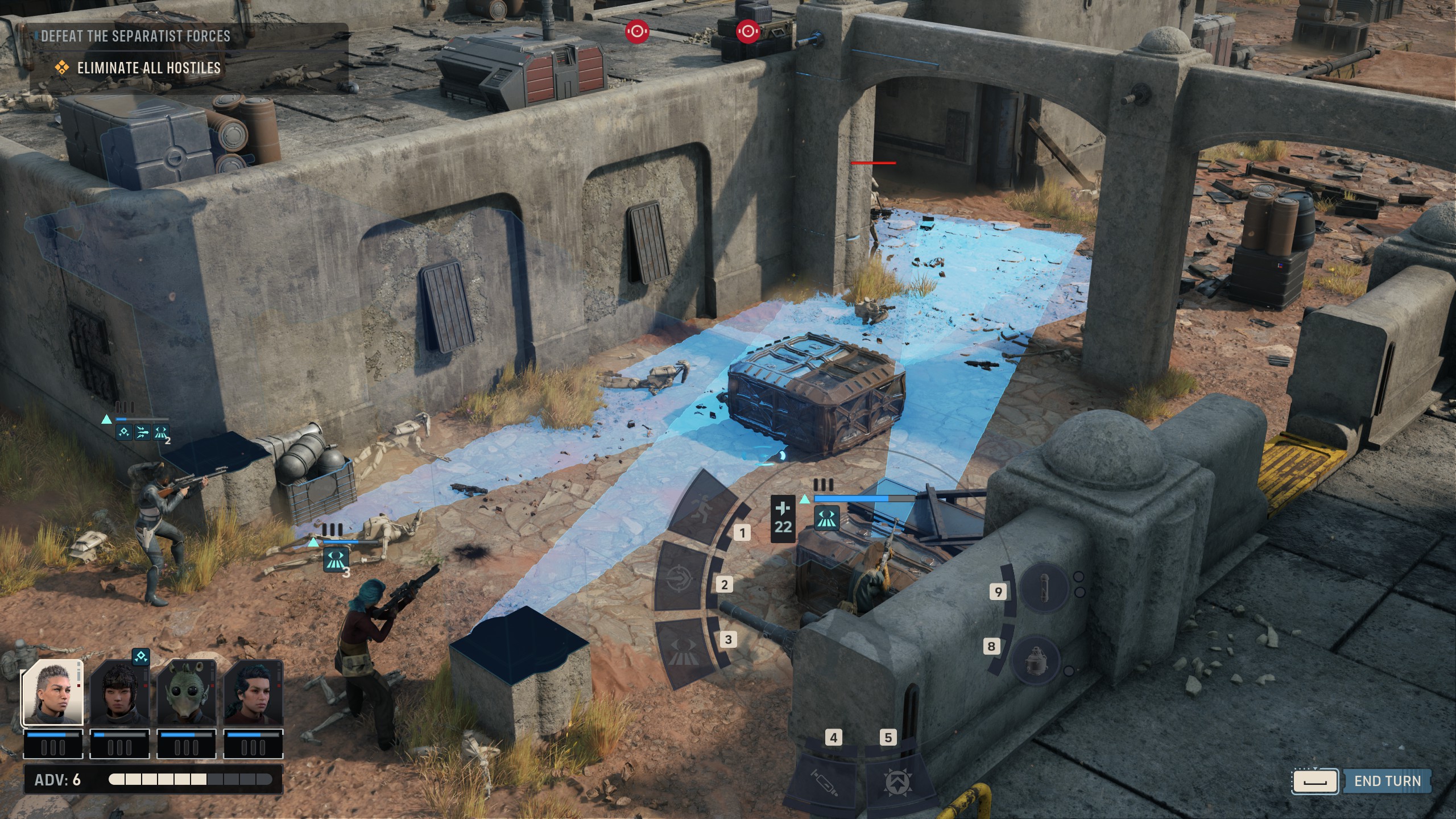
Since you can take only four fighters on a mission, just like in XCOM: Chimera Squad, each of them becomes an important unit with a clear specialization. Zero Company offers eight standard classes, such as medic, and several unique ones, strictly tied to certain operatives. This, of course, is not the manic level of hero specification as in Rogue Trader, but it is still an impressive field for experimentation in finding interesting synergies, especially since it then opens up the opportunity to take a multiclass.
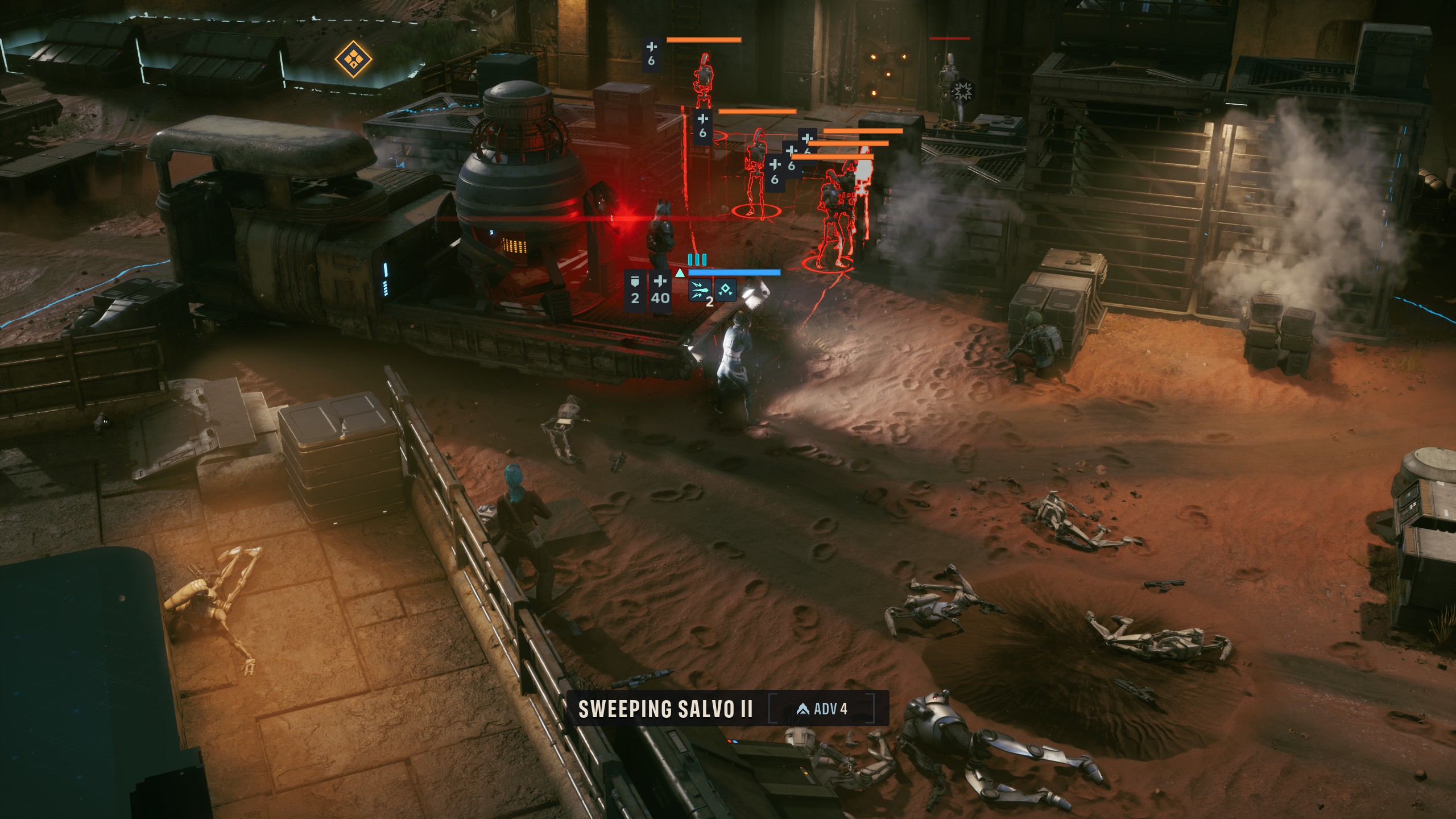
The basic level of combat of Zero Company is, of course, reminiscent of XCOM 2 with its multiple action points, cover and insane hit probability calculations, but the authors made some amazing changes to the familiar formula. Firstly, nimble heroes can cover even the largest arenas in three or four moves, and enemy reinforcements sometimes appear literally a meter from the evacuation zone. So there is no long hide and seek with crawling from cover to cover, as well as an annoying timer.Secondly, Zero Company expanded on the idea of Midnight Suns and XCOM 2: War of the Chosen by creating brotherly bonds between operatives. While establishing friendship, on their turn they can ask their comrades to support them with fire - and a separate assistance mechanic is built on this, when your fighter, for example, destroys an enemy shelter, and your partner hits a vulnerable carcass.

And finally, Zero Company provokes decisive action. The most powerful hero skills consume advantage points, which are accumulated through special skills and successful eliminations of enemies, but burn out at the end of your turn. The pool of these points is common to the entire squad, and, again, you have to choose what is better now - flying into a crowd of enemies on the rocket pack of the Mandalorian Klay, launching a rocket with a clone stormtrooper, or throwing a lightsaber with a Jedi. No one has yet been able to create a thoughtful, trick-rich turn-based strategy with the full feeling of an action game.
Even in turn-based mode, Bit Reactor managed to create the impression of a constantly ongoing battle in real time: enemy soldiers periodically shoot at the cover behind which your heroes are hiding, and the Padawan deftly deflects their shots, and they ricochet against the walls. At any given moment, Zero Company looks like the best episode of Rebels or The Clone Wars - and there's no better compliment.

The only thing in the game that can still be improved is its technical condition. While Zero Company is tearing up the Steam charts, almost the entire development team was sent home without pay three weeks before release.It would seem that the period is short, but it had a catastrophic effect on the release quality of the game: the camera regularly freezes during battle and shows anything other than the fight, each cut-scene in the engine begins with loading light and textures, and everyone who sees the tedious compilation of shaders and the Unreal Engine 5 logo at high settings will guess that it is almost impossible to play without aggressive upscalers like FSR.

Aside from some minor technical issues and the linearity of sandbox games like Xenonauts or XCOM 2, Zero Company is a true joy from start to finish for both Star Wars and tactical game fans. 2026 not only has the best game in the franchise since Knights of the Old Republic, but also one of the best Star Wars experiences in years. Don't dare miss this - and may the patches be with you.