

Anime “Star Wars: The Ninth Jedi”: how the Japanese spirit was returned to the world of the Jedi

The new series based on the Star Wars universe was released on August 5 and went almost unnoticed, although it scored 92% on Rotten Tomatoes and received good ratings from a few viewers. The Ninth Jedi, like the entire Visions project, is not bound by the official Star Wars canon, which gave showrunner Kenji Kamiyama the opportunity to tell his own story without fan service and the New Republic framework. What did Production I.G studio do?
How an idea for one episode turned into a series
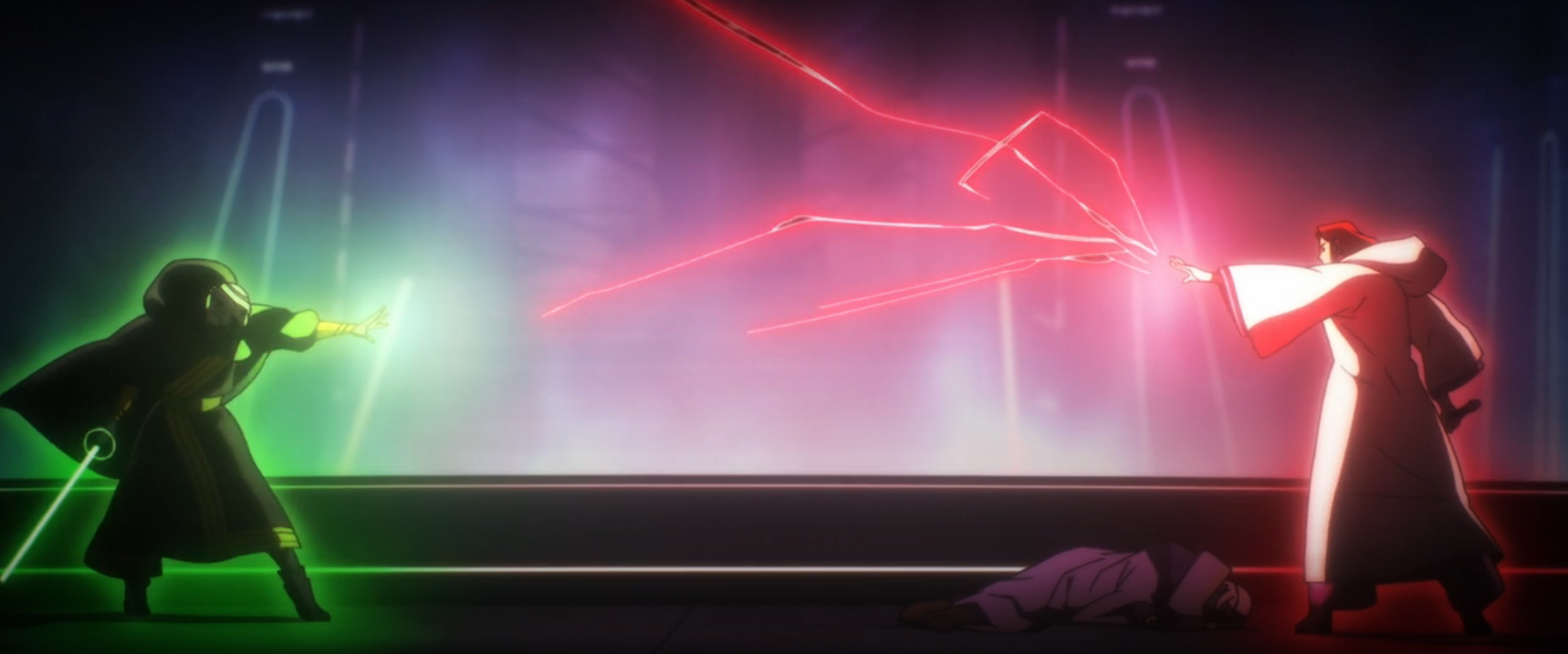
In 2021, the first season of the animated anthology series Star Wars: Visions was released on Disney+, in which the world's leading studios offered their own versions of the universe of a galaxy far, far away. They were given complete freedom in plots and visual style, and the first season was ordered exclusively from Japanese anime studios, including Production I.G.
The episode they created, “The Ninth Jedi,” told about a very distant future, where the Jedi Order disappeared (as always, not completely), and the art of creating lightsabers was almost lost. The main innovation: the color of the blade here can change depending on the thoughts of the owner and his connection with the Force.
The creator of the series, Kenji Kamiyama (“Ghost in the Shell: Loner Syndrome”) later explained that he immediately came up with it as a full-length film: he pre-written the history of the world, the past of the characters and the reasons for the disappearance of the Jedi. Therefore, the feeling that we were only shown a fragment of a much larger saga was created deliberately.

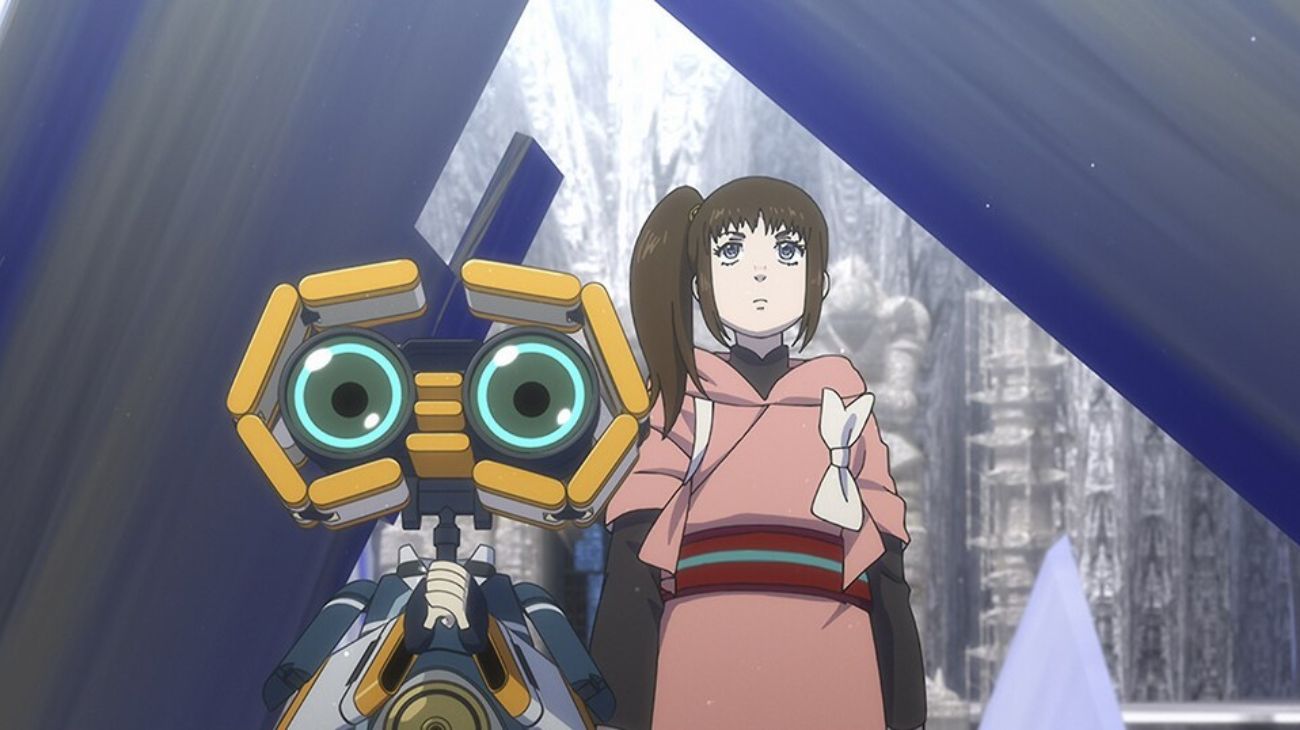
Lucasfilm noticed the audience's reaction and invited Production I.G to shoot another short film. This is how one of the best episodes of the third season of “Visions” appeared - “The Ninth Jedi: Child of Hope.”According to director Naoyoshi Shiotani (“Psycho-Pass”), it was not conceived as a new chapter of the story, but as a personal memory of the main character, Kara.
In the same 2025, at Star Wars Celebration they presented a new brand, Star Wars: Visions Presents. Its goal is to give the authors of the most popular series the opportunity to continue their stories in a longer format. "The Ninth Jedi" became the first.
A long time ago...
Before the series, it is advisable to watch both short films - after all, they are where all the fuss begins. There's plenty of explanation in the series, but without the original episodes you run the risk of not getting involved in Kara's relationship with her father and Margrave Juro.

New threat
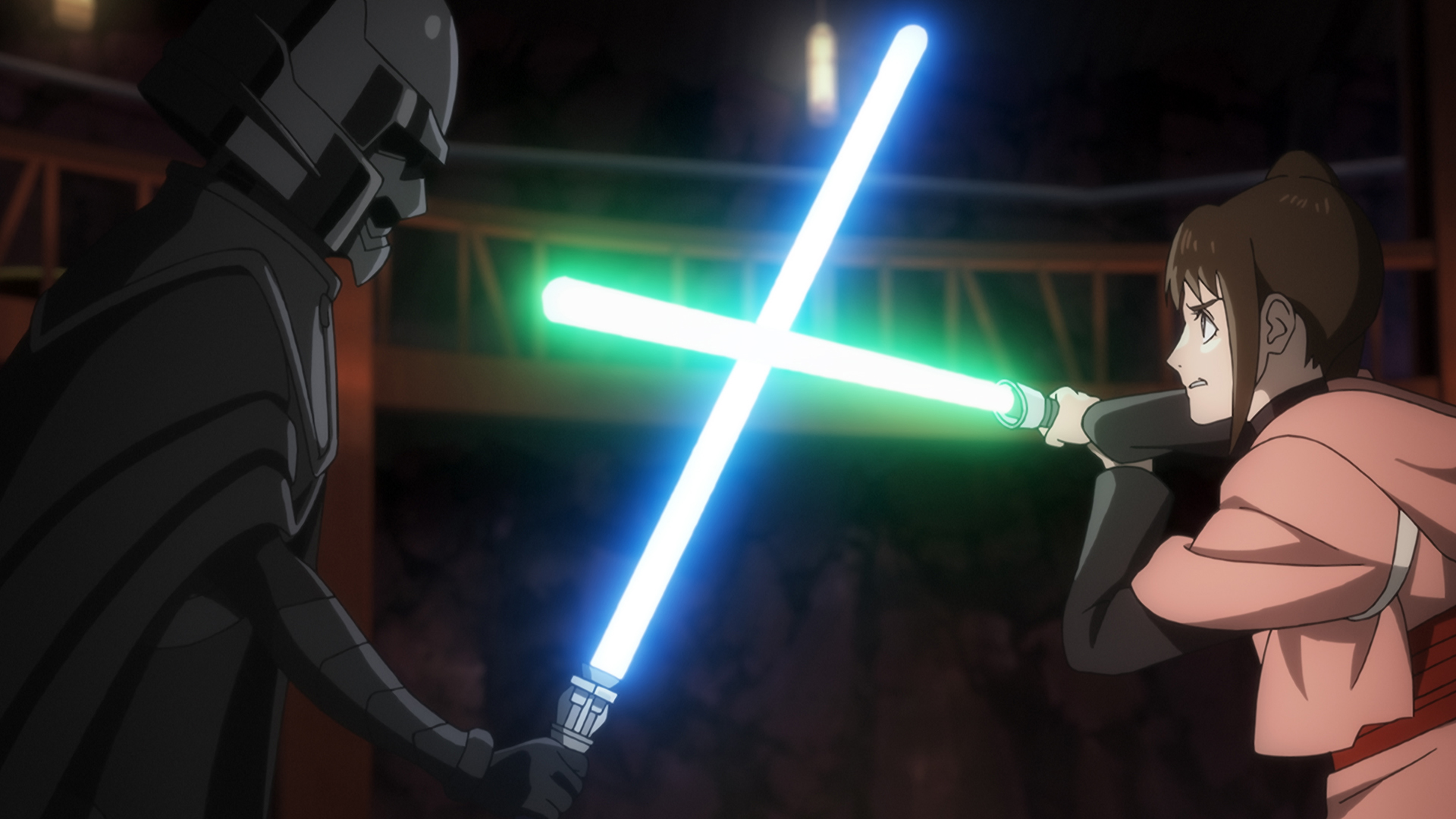
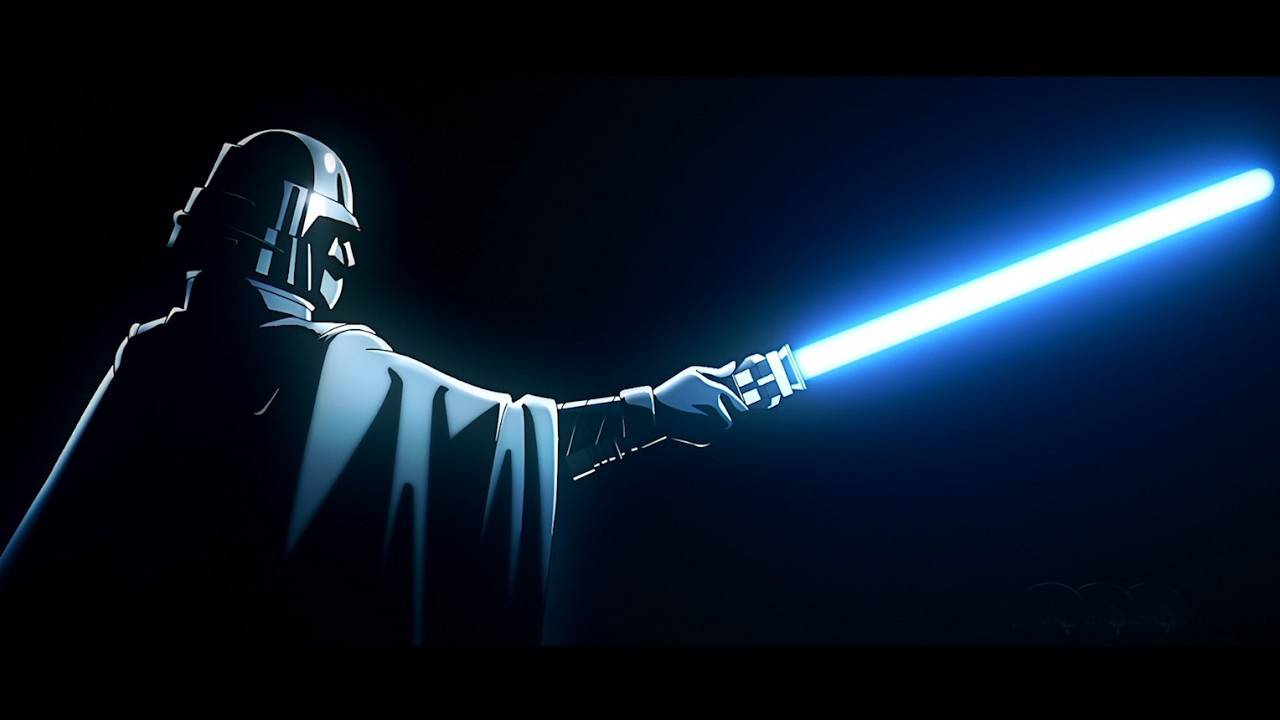
In the series, Kara continues to study with Margrave Juro. Together they seek allies to revive the Order. They also learn that General Navaam is behind the kidnapping of Kara's father. Visually, he is the spitting image of Darth Vader, if not for one detail. Remember that in this world the color of a sword reflects the thoughts of the warrior holding it? So, Nawaam’s sword is blue. At the same time, he is, of course, a villain, but with a special motivation, a tragic backstory and dreams of ruling the Galaxy.

In the first half of the season there is a lot of politics and adventure: the heroes gather an alliance, learn the past of La Jima and Navaam, and encounter another superweapon. The second half gets more personal and darker, rewarding viewers who pushed through the standard adventures of the first half.
Instantly changing the color of the blade is a very convenient thing for narrative. We immediately, without explanation, see the character’s internal conflict, even if this leaves no room for the viewer to doubt his motivation. The only exception here is Navaam, whose mask and cloak clearly refer us to which character (no, not Kylo Ren).While Nawaam's story is a classic downfall of a padawan, it's the motivations and origins that make it original.
Navaam does not feel like evil in the flesh, he has no desire to torture and kill. On the contrary, he wants to bring peace and quiet to the Galaxy - at the cost of its complete control. This is a hero who has gone so far along the path of a Jedi warrior that he “calmed down” forever: he abandoned all unnecessary feelings and emotions, but fell into a trap. Now he simply ignores the suffering of living beings on the way to his goal.
Japanese trace
Kamiyama and series director Shunsuke Tada deliberately are returning to the Japanese origins of Star Wars. Tada demanded that in battles the actual striking distance and correct stances be taken into account, and Nawaama's mask and armor were drawn from Japanese armor from the Sengoku era.

But the main thing they brought to the philosophy of the universe was the way of thinking of the samurai. Good and evil here do not exist within the framework of dualism, without a clear division. Jedi often doubt and even agree that, from a certain point of view, the Sith worldview is not devoid of logic. In a word, they are more like real people and not cardboard sages.
Kenji Kamiyama
In a time when it is not easy to define what justice is, we wanted to create a story that would make people feel again: “I want to follow the Jedi code” and “the Jedi are still cool.”

The series perfectly reflects the simple Jedi truth “do no evil”: no murder, even “for good,” will bring nothing but pain.By ridding the world of evil in this way, be sure that the balance of good and evil will be restored in some other way, which can lead to fatal consequences.

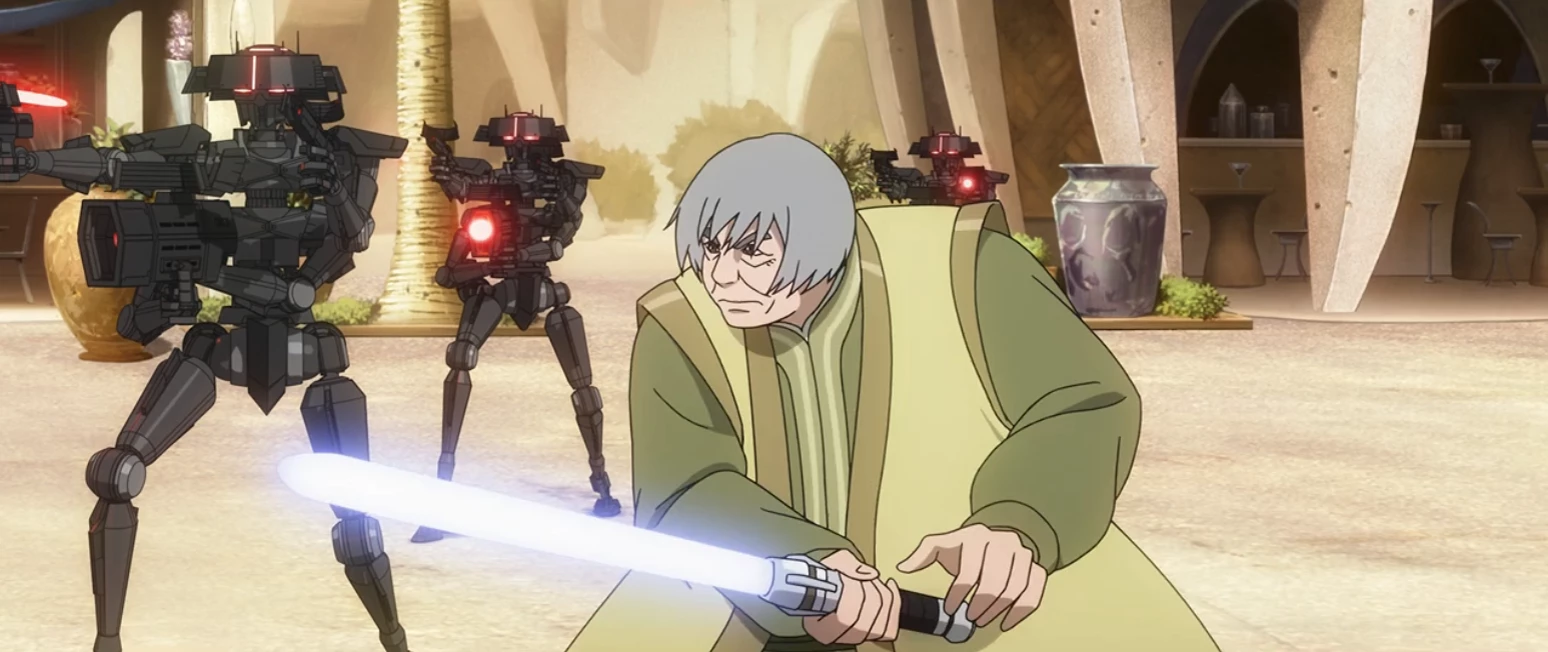
The Ninth Jedi didn't introduce a new formula within the known universe. The story once again revolves around a student, a missing father, a fallen warrior, the resistance of the oppressed, and a superweapon. The novelty of Kamiyama’s story lies elsewhere: outside of the main chronology and responsibility for observing the details of the canon, the authors were able to reinvent these archetypes and show the classic story as if through a Japanese mirror. Being a Jedi here does not mean taking on the burden of being a galactic policeman, it first and foremost means having compassion - even when you have the right to punish or kill. Perhaps this is Kamiyama’s “new definition of a Jedi.”

The Ninth Jedi has an open ending, but it is considered a miniseries and a second season is unlikely to happen. The authors said that a sequel had been written, but we probably won’t see it.