

Star Wars: Battle for Naboo (2000): The game that seamlessly bridged two eras

Some Star Wars games hit the market with huge excitement. Great legacy. Great nostalgia. Big controversy.
And then there are games like Star Wars: Battle for Naboo, which basically showed up, did a lot of things well, and yet somehow ended up overshadowed by the more high-profile projects around them.
It's a little unfair because there's a lot more to this game than people usually remember.
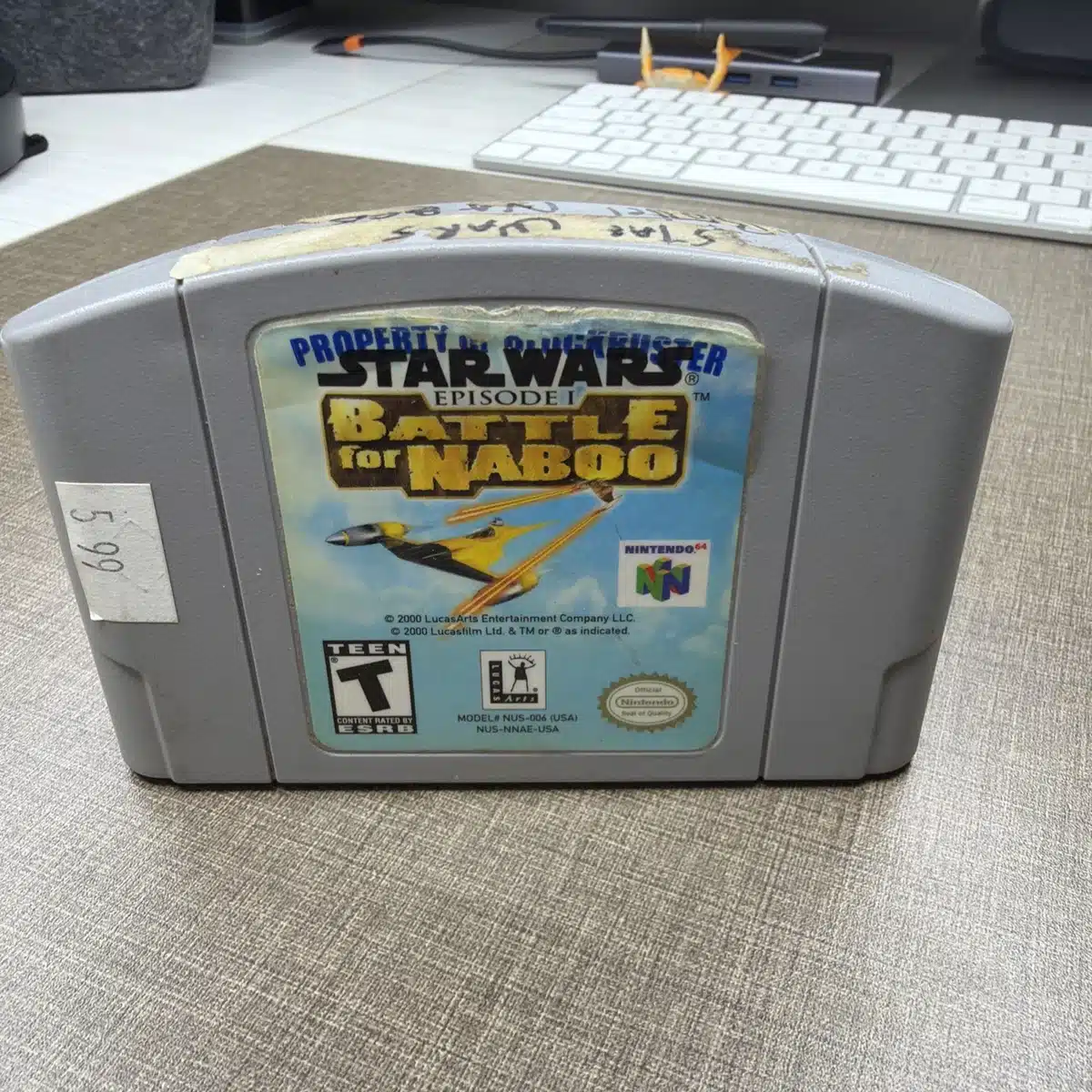
Released on the Nintendo 64 in late 2000 and then re-released for Windows in 2001, Battle for Naboo was developed jointly by Factor 5 and LucasArts as an arcade action and concept game. sequel toStar Wars: Rogue Squadron. Instead of the dogfights of the original trilogy, the game featured the Trade Federation's invasion of Naboo, allowing players to take on the role of Royal Security Forces Lieutenant Gavin Sykes, and combining air, land, and water in a 15-mission campaign.
And, frankly, this presentation was more convincing than is sometimes believed.
If Star Wars Episode I: Racer (1999) became a prequel-era game focused entirely on speed, and Star Wars: The Clone Wars (2002)created the feel of a real battlefield, then Battle for Naboooccupies a very useful in-between position. It still has the flashy prequel-era hardware and Episode I DNA, but mechanically it feels like a bridge between the accessible flight sim formula of Star Wars: Rogue Squadron (1998)and heavier combat vehicle designs that continued to evolve in the early 2000s.This makes it a natural addition to both "The Complete List of Every Star Wars Game Ever Made (1979-Present)" and to the "Star Wars Games (2000–2005)".
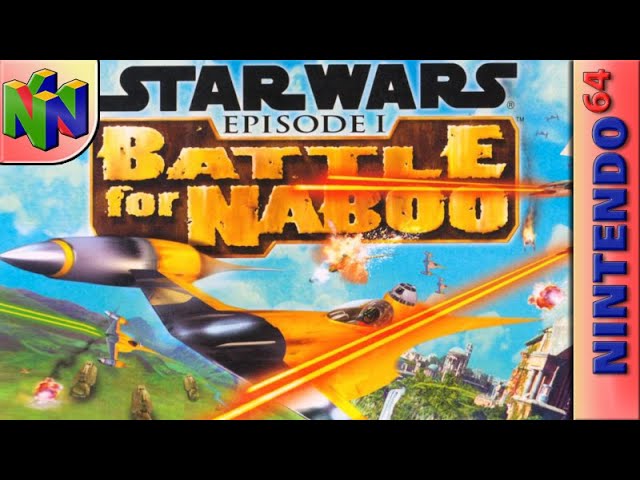
It's not Rogue Squadron 2, but it's a very similar game.
The easiest way to explain Battle for Naboo is to say that it's a game created by Factor 5 after Rogue Squadron proved that Star Wars and console-friendly arcade dogfights go well together.
This connection has never been hidden. Contemporary reviews have constantly compared the two games, and with good reason. Battle for Naboo retains the straightforward, fast-paced, uncomplicated approach to action that characterized Rogue Squadron—no power distribution, no control instructions, no “please read the manual before trying to enjoy it.” At the same time, it brought this formula to Naboo and expanded mission design to include ground vehiclesand more varied mission options. Critics of the time generally agreed that the additional variety of technology helped keep the game from feeling monotonous, although some still viewed it as more of a familiar continuation than a revolution.
This, in fact, is the whole individuality of the game.
The game does not try to reinvent combat on Star Wars vehicles.What she's trying to say is, "What if it was the Rogue Squadron formula, but shinier, with more scenes on Naboo and the occasional tank?"
To be honest, this is a pretty good use of a sequel that isn't really a sequel.
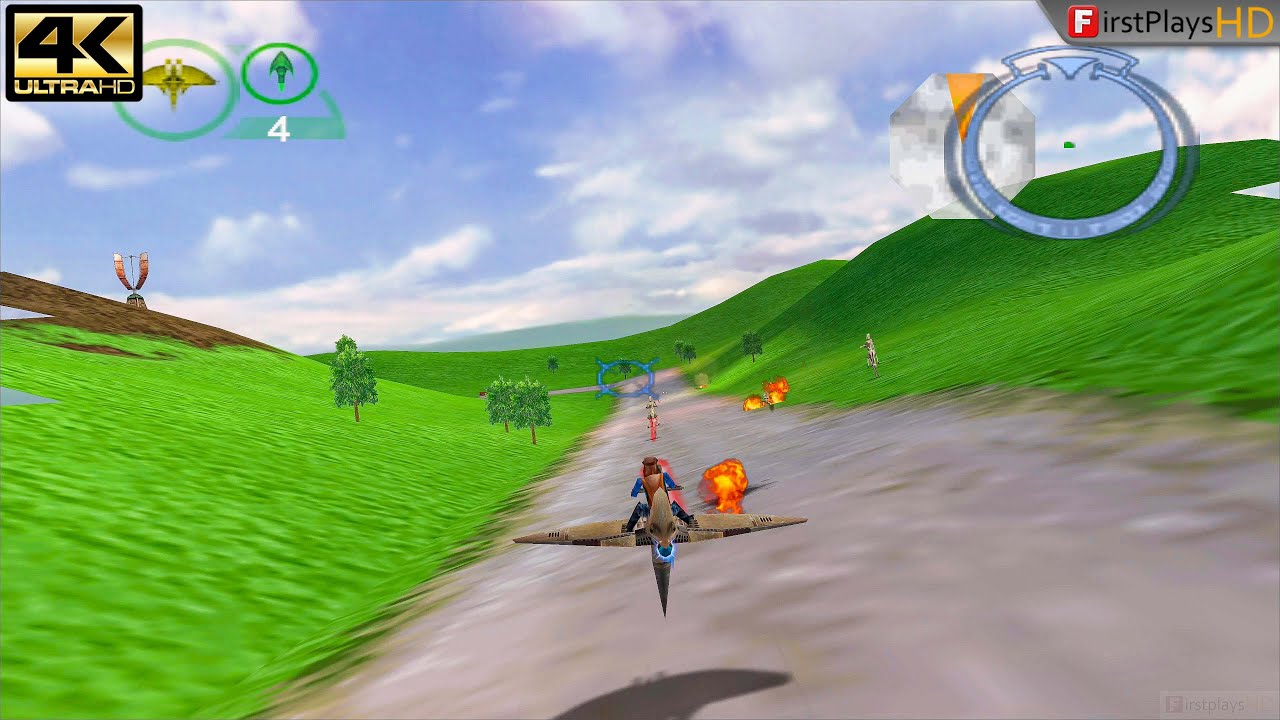
The Phantom Menace, but with a lot more extra detail.
One of the nice things about Battle for Naboo is that the game doesn't just repeat The Phantom Menace like a nervous tribute project.
Yes, the game takes place during the events of the film. Yes, it ends with the final assault on the droid control ship. But much of the game is spent expanding the conflict and showing what the broader Naboo resistance might have looked like beyond the narrow focus of the film. As Gavin Sykes, you are not the chosen one, you are not a Jedi hero, and you are not a comical character who constantly makes mistakes. You are just one of those trying to save Naboo from being overrun by droids, tanks, gunboats and generally terrible mechanized neighbors.
This helps the game a lot.
One of the weaknesses of a lot of Episode I-era material is that it can get bogged down in the film's most commercially appealing moments. Pod racing. Darth Maul. Duel of the Fates. Brilliant palace halls. Battle of Naboo goes further by trying to show the invasion as a massive conflict. Farms are under threat. Convoys matter. Tid is not just a background. The war is moving.This makes it feel less like "you're just playing a movie" and more like "you're seeing another fragment of the same crisis."
Yes, this means you'll have to spend a lot of time defending Naboo in vehicles that look like they were designed by people who thought wars should at least be aesthetically pleasing.
The main secret was the correct selection of vehicles.
This is where Battle for Naboo really differentiates itself from just “Rogue Squadron, but in yellow.”
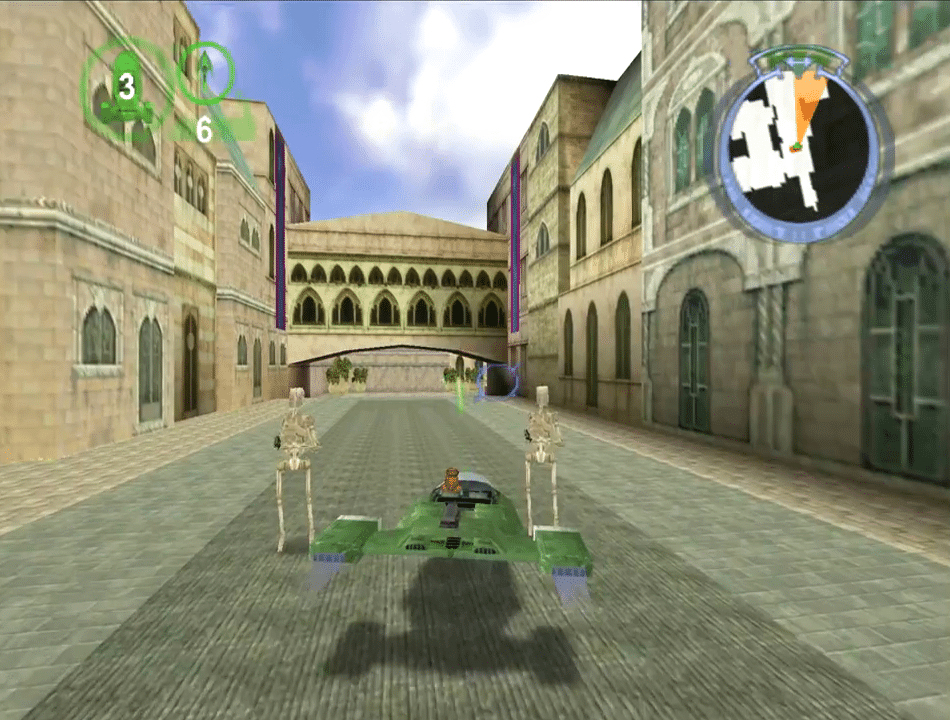
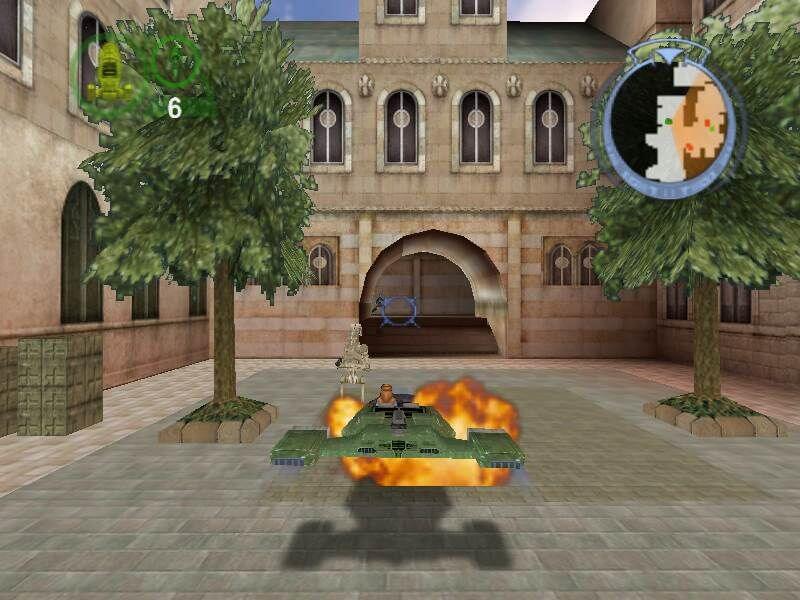
The game allows the use of a wide range offlying vehicles, hovering vehicles and ground vehicleswhich gives it a different rhythm compared to its predecessor. MobyGames' official description highlights15 ground and air missionsand GameSpot's review notes that one of the game's standout features is the ability to control various Naboo vehicles in the Episode I setting - including changing vehicles in some missions depending on need or preference.
This is important because it prevents the campaign from becoming one continuous sequence of “fly in, hit targets, fly away.”
Sometimes you fly across the ground in a speeder, trying not to crash into every wall in Theed. Sometimes you provide more powerful support. And sometimes you're back in the air, doing what the game clearly loves best. The pace of the game varies nicely from mission to mission, even if not all vehicles are equally graceful. The result is a Star Wars action game that feels bigger than an air shooter, but doesn't veer so far off course that it loses the arcade dynamics that Factor 5 was so famous for.
Also, and this should not be underestimated, the simple pleasure of switching between Naboo's sleek ships and bulkier combat vehicles gives the game a certain playfulness.It's very difficult to stay too gloomy when a Star Wars game constantly gives you different means to destroy droids.
Factor 5 didn't just repeat an old trick.
One of the most interesting moments in the history of the game is that Factor 5 did not just take the Rogue Squadron engine out of the garage and change the coloring.
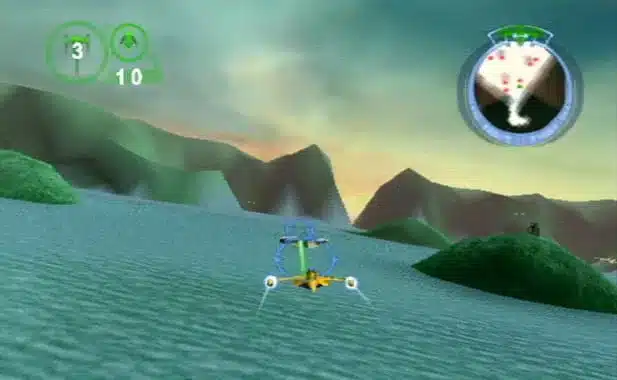
According to development information obtained from sources at the time, the team began further planning in February 1999 and then decided to create a new engine rather than just use the old one. Factor 5 argued that some technical goals for Battle for Naboo—including improved draw distance and new environmental effects—would not have been possible using the previous engine. The team also used particle effects for things likerain, snow, explosions and fountainsand supported the Nintendo 64 expansionExpansion Pakfor playing at higher resolutions.
This extra effort is noticeable in places.
Of course, it's not some impossible technological miracle where the Nintendo 64 suddenly turns into an alien machine from the future. Let's be realistic. But reviewers at the time did notice improvements. IGN and others praised the increased draw distance and sharper graphics compared to Rogue Squadron, although not everyone agreed on how significant the jump was. Some considered it to be one of the best looking games on the system. Others believed that the surroundings might look blurry or dry in places.Which, in general, is very characteristic of the Nintendo 64: one sees magic in it, the other sees fog full of ambition.
The sound also behaved seriously.
By this point, the reputation of Factor 5's audio equipment was already impeccable, and Battle for Naboo continued this tradition.
According to the developers' notes, Skywalker Sound has provided material directly from The Phantom Menace, and also used new compositions and arrangements for interactive playback of the soundtrack in real life time. Factor 5 once again used their audio toolsMusyXand reviews generally found the sound design to be one of the game's strengths, although opinions on the music on the cartridge varied somewhat.
This brings more benefits to the game than is usually given credit for.
Battle for Naboo isn't the deepest game LucasArts and Factor 5 have ever created, but it captures the atmosphere very well. Sound creates a sense of urgency. The weapon sounds powerful. Music plays an important role as you race to protect civilians or break through Trade Federation machinery. It gives the game that classic "licensed action trying hard to fit into the world of the movie" energy, but here it mostly works rather than just being a noble attempt that then falls flat.
Surprisingly ahead of its time bonus material
Here's one of the game's most charming historical features: it includedunlockable developer audio commentary.
Not as a modern trick in the spirit of “we are doing a prestige remaster.” Not like a retro museum display added years later. It was right in the original game. According to contemporary reports, summarized in later sources, each of the 15 standard levels contained over five minutes of unlockable commentary, for a total of over an hour, along with early design sketches and other bonus material. IGN reportedly compared it to DVD bonus material, and MTV's Steven Totilo later suggested that it might be one of the earliest examples of this kind of commentary in games.
This is an incredibly moving example of the energy of Factor 5/LucasArts.
This also makes Battle for Naboo more important in terms of retro history than one might expect. This wasn't just a game trying to entertain you. She discreetly preserved some aspects of her creation in her publication. This kind of stuff is a real treat for anyone interested in gaming history, and frankly, it's worth talking about more.
Signal reception: good on N64, much worse on PC.
This is where the story branches.
The Nintendo64version was generally well received. Reviewers praised the controls, improved draw distance, and how the added ground vehicles kept the game from getting boring.Overall, the N64 version received around an82% on GameRankingsand an84% on Metacritic, putting it in the "liked" category, even though it was still being compared toRogue Squadronevery five minutes. IGN was particularly enthusiastic, calling it a worthy sequel that improved on many of its predecessor's shortcomings, and GameSpot also praised it, although it lacked significant innovation.
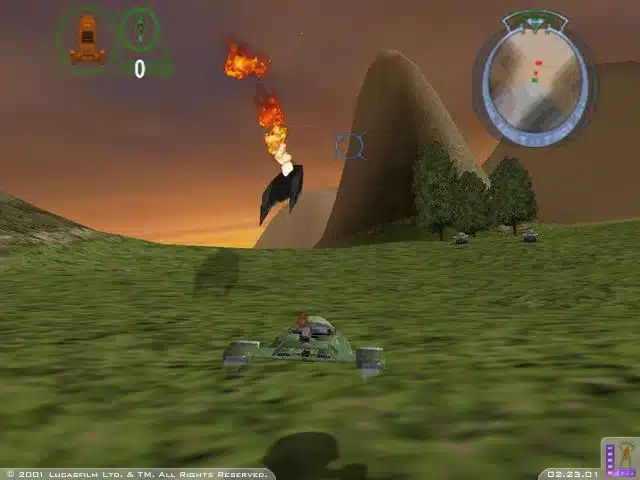
However, with the PC version things were much worse. It was released later with improved resolution, textures and a new interface, but many critics felt that it was not properly optimized for PC. Ratings plummeted—about57% on GameRankingsand54% on Metacritic—and complaints centered on awkward aiming, weak graphics by PC standards, and controls that suffered due to the game being originally designed for the N64 analog stick. GameSpot's PC review still found the game fun, but short and clunky at times.
So perhaps the clearest way to remember this game is to say that on the N64, Battle for Naboo was a worthy and very playable sequel. On PC, the conversation about this has become much more confusing.
Why it still matters now
The reason why Battle for Naboo deserves its rightful place in the archive is not because it was the best Star Wars game of its time.
It was not like that.
This is important because it demonstrates the maturity of a truly important direction in Star Wars game development.The game takes the accessible approach to vehicular combat from Rogue Squadron, brings it into the prequel era, experiments with different types of vehicles, expands the conflict beyond the film's immediate camera angles, and quietly includes some of the most exciting bonus historical content of its time. For one game this is a lot of things at once.
This episode also fits perfectly into the overall structure of the archive. Released after Episode I: Racer, it shows that the prequel era was capable of more than just speed. Released before The Clone Wars, it hints at a broader obsession with military technology that continued to grow. And released after "Rogue Squadron", it serves as proof that Factor 5 didn't just hit the ground running one day.
This alone deserves respect.
View from Naboo
There are Star Wars games with a greater reputation. With a larger audience. With a bigger legend.
ButStar Wars: Battle for Naboo still has a lot going for it, because the developers understood a simple truth: if you give players sleek ships, easy controls, a war they vaguely remember from the movie, and enough droids to blow up, they'll probably have fun.
And in this case, in most cases, they did just that.
This may not be the most exciting Star Wars game of its generation. This may not be the game that retro gaming fans are most excited about.But this is one of those games that gets more interesting the further you get away from it. It connects eras. She connects design ideas. It links the self-confidence of Factor 5's late '90s action with the bigger, grittier war machine of the early 2000s prequels.
This is important.
In fact, this is exactly the type of game for which there should be a place in the archive.
Frequently asked questions
What is Star Wars: Battle for Naboo?
It is a 2000 action game for the N64, later ported to Windows in 2001, co-developed by Factor 5 and LucasArts as a sequel to Rogue Squadron.
Who do you play as in Battle for Naboo?
You play as Gavin Sykes, a lieutenant in the Royal Naboo Security Force fighting against the Trade Federation invasion.
How is Battle for Naboo different from Rogue Squadron?
It retains the same accessible arcade style of action, but expands on the formula by adding land and water vehicles in addition to aerial combat.
Battle for Naboo received good reviews?
The N64 version was generally well received, receiving an 84 on Metacritic, while the PC version received much worse reviews, scoring a 54 on Metacritic.
Why is this game interesting from a historical perspective?
In addition to being the bridge between Rogue Squadron and later Star Wars games, it also featured unlockable developer audio commentary, which may be one of the earliest examples of such a feature in a game.
Why is Battle for Naboo worth rewatching today?
Because it's a prime example of the evolution of vehicle combat in Star Wars at the turn of the millennium—polished enough to be fun, interesting enough to matter, and weird enough to be memorable.
Source: Swtorstrategies.com, Soeren Kamper