

What does Revenge of the Sith look like twenty years later?
May marked 20 years since the release of Revenge of the Sith, the original Star Wars finale. We already told the story of the creation of the third episode five years ago, and this time our regular author Alexey Ionov shares his impressions of the film, with which he has a lot in common.

The World of Fantasy is to blame for everything. May issue for 2005. The red one with Darth Vader on the cover. A classmate brought it to class at the beginning of May, and for the rest of the day, instead of the basics of strategic management and other world economics, I learned the latest news from a galaxy far, far away and other fantastic universes.
It would seem like a banal event, but it radically changed my whole life. Twenty years later, in “World of Fantasy,” I talk about the latest news from fantasy universes, but the basics of strategic management have remained a dark forest for me. Thanks for the tune-up, Lisa. I hope you are still reading us.


The May 2005 issue of World of Fiction contained just a ton of information on Star Wars - the latest news from the set of the third episode, announcements and reviews of new books, as well as an interview by Dima Zlotnitsky with Matthew Stover, the author of the novelization of Revenge of the Sith.
That same evening, having regretfully returned the magazine to a classmate, I went to the nearest bookstore to do some shopping. I didn’t expect to see a novelization there, but there it was! Two weeks before the film's premiere, just a month after its original release! I give it its due, the Eksmo publishing house worked as quickly as possible. And Lucas, as it turned out, was not at all afraid of spoilers, unlike Disney, in which novelizations of the next episodes in English were released six months after the film itself.
Matthew Stover completely turned my world upside down.Before, I had almost never seen books on popular franchises written in such a rich, captivating language, combining an amazing literary style with a deep dive into the characters, their motives, fears, dreams, and their very essence. Stover told a beautiful, dark and sad story, which I have since traditionally re-read every few years - certainly in May and always in the original.

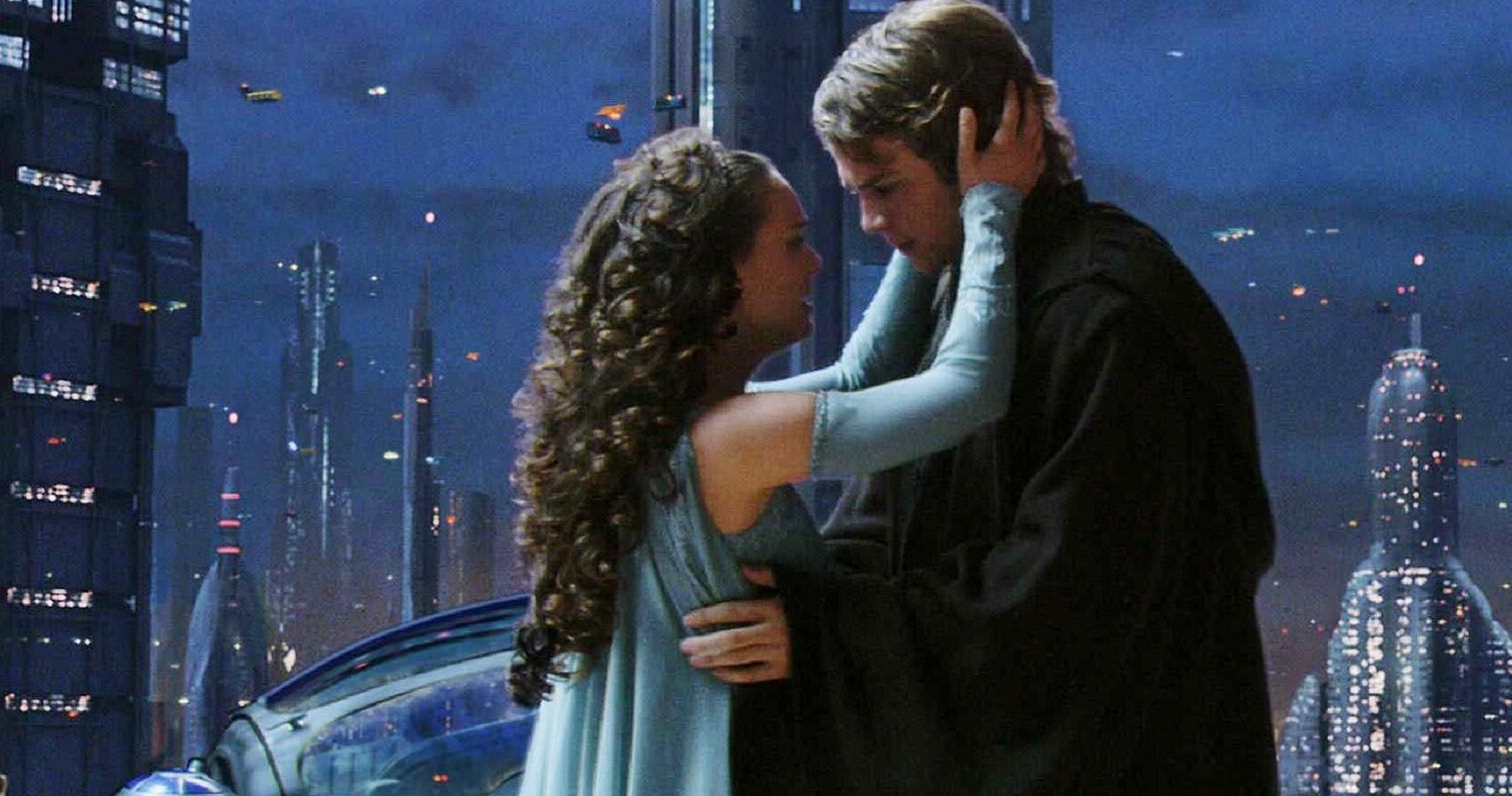
And Matt Stover ruined the movie itself for me, which seemed much weaker compared to the book. Character motivations, actions and interactions have never been George Lucas' strong suit. Twenty years ago, he failed to convince me of Anakin Skywalker's motives for turning to the dark side. But Stover succeeded. With one book, he flew into my top favorite writers, motivating me to find and read everything that came out of his hands. It's a terrible shame that soon after the release of Revenge of the Sith, his writing career went downhill and Matt hasn't published a single new book in the last ten years.
But let's return to the film. Now, twenty years later, reviewing the third episode with different eyes, I understand that I was terribly unfair to George Lucas.
No, Revenge of the Sith is still an imperfect film. Limited by the time frame, George eliminated almost everything from the story that was not related to the central storyline - the fall of Anakin.All the scenes that foreshadowed the birth of the future Rebel Alliance were cut out, a number of characters from past films (in particular, Boba Fett) did not even appear on the screen, and Padmé from a determined fighter, senator and diplomat turned into a piece of furniture who only looks at her husband with loving eyes and faithfully waits for his return from the next mission.

But each time all these flaws are striking less and less, finally allowing us to appreciate everything that Lucas managed to achieve.
Revenge of the Sith amazingly combines Anakin's personal story with the epic scope of the action. We are shown the progress of the war on several planets at once, the deaths of several prominent Jedi, and for the first time we see such memorable locations for fans of the saga as Kashyyyk and Alderaan.
The personal tragedy of a man who, for the sake of love, betrayed his comrades and friends and doomed the entire galaxy to the rule of a tyrant, only to lose this love, is intertwined with the tragedy of the entire universe. The thousand-year-old Republic is collapsing, the Jedi, the permanent guardians of peace and justice, are dying, the galaxy is losing its main defenders, and millions of peaceful beings will die before the spark of the Rebellion shines in the darkness of the Empire.

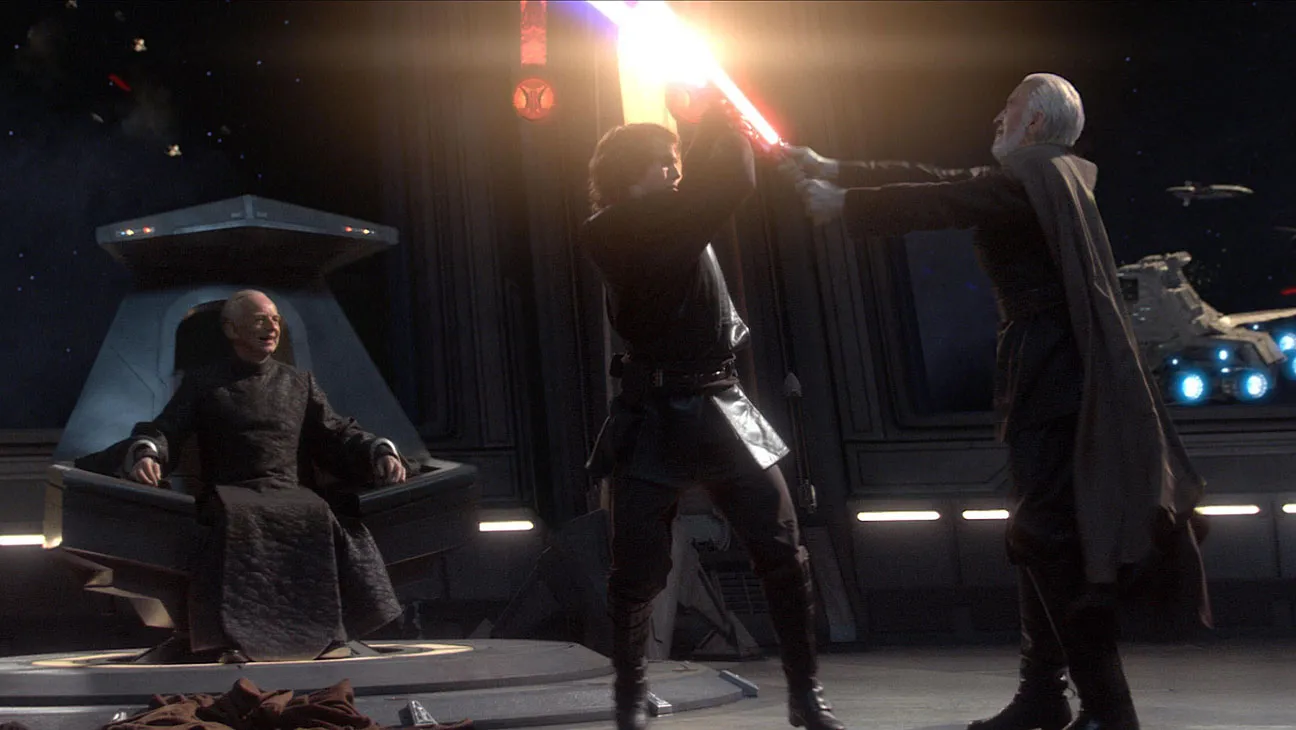
The film is as eventful as possible, there are practically no slacks in it, and every scene works for the overall plot. At the same time, the story looks at one go and even leaves a feeling of some understatement. If “The Phantom Menace” and “Attack of the Clones” could use some shortening in places, the third episode, on the contrary, requires even more timing.
When creating Revenge of the Sith, Lucas used his entire rich arsenal of techniques. Thus, the narrative begins again in medias res - in the midst of the action, without buildup.Everything the viewer needs to know was told already in the opening credits - the chancellor was kidnapped, Anakin and Obi-Wan went to save him, that's it, gas pedal to the floor - and off they went.

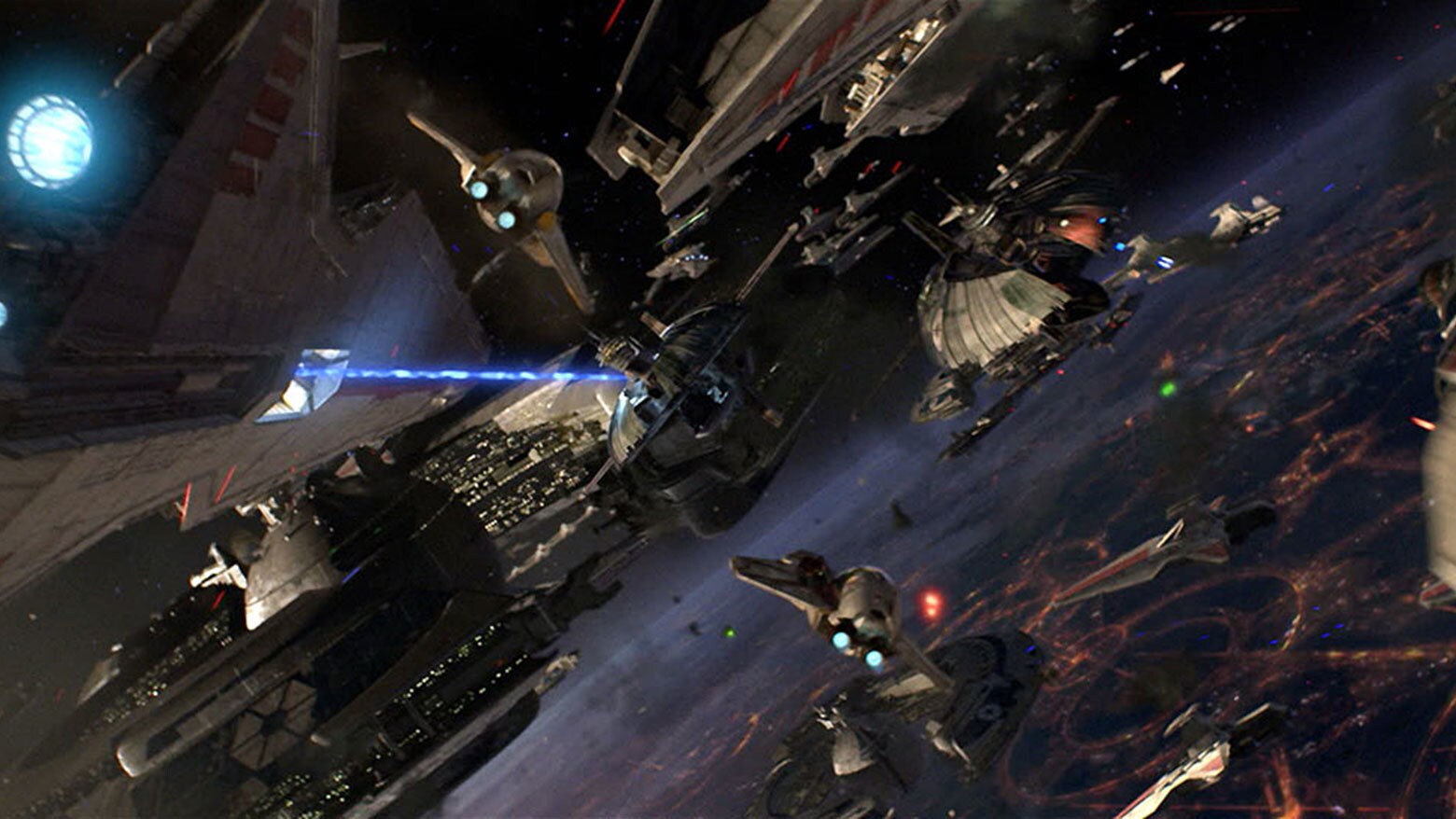
Episode three has the most epic opening scene in the entire saga. The skies above Coruscant are in flames, the Republic and Separatist armadas are exchanging salvos, but we only catch a glimpse of all this as the camera follows two Jedi fighters as if glued to it. Here, Lucas, emulating such cult war films as The Longest Day, tries to create the effect of shooting in one shot.
For all its entertainment, the battle for Coruscant also carries a semantic load - we are finally shown the duet of Anakin and Obi-Wan in all its glory. In The Phantom Menace they just met, in Attack of the Clones their relationship was quite dysfunctional, but three years of war turned the recent teacher and student into a coherent and effective team. They anticipate each other's actions, complement each other, and at times become completely indistinguishable. Their similarity will be even more striking on Mustafar when, at the very beginning of the fight, they will simultaneously use the same techniques.

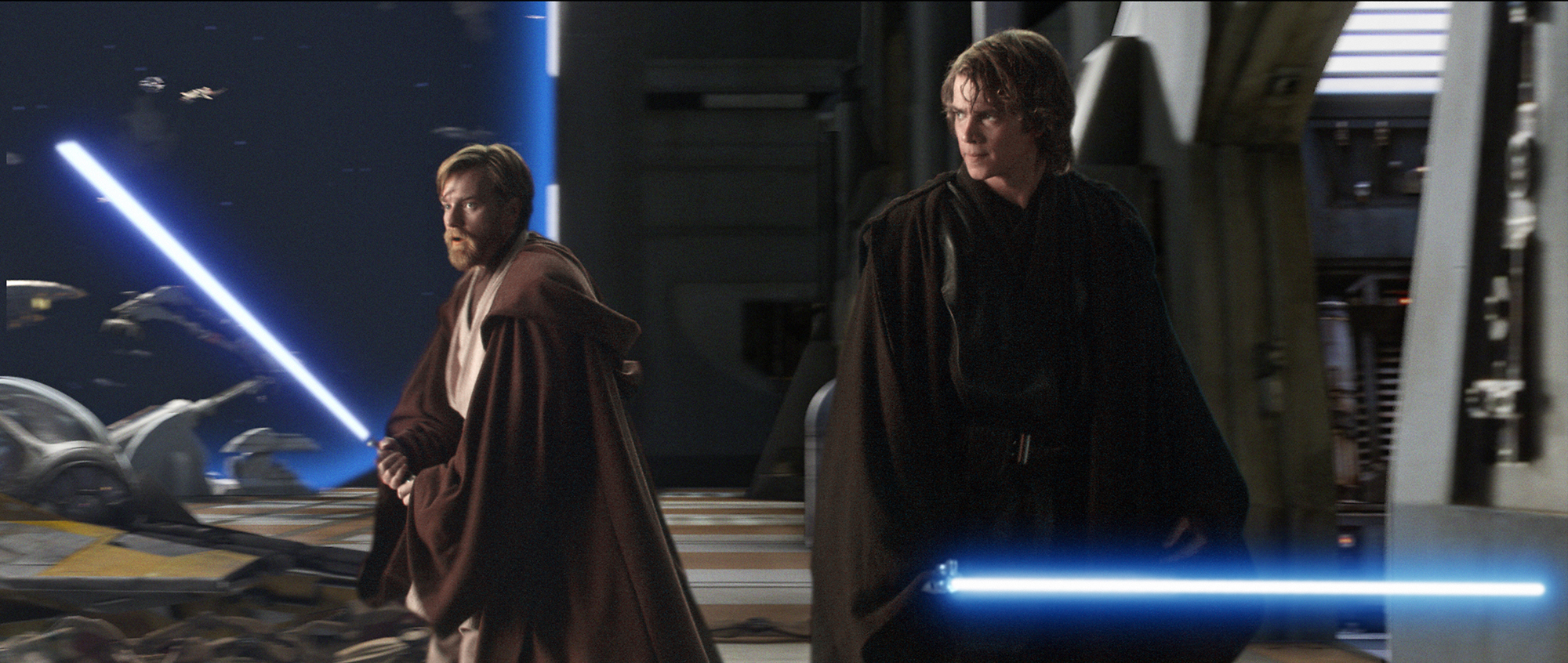
Each prequel has memorable action scenes. In The Phantom Menace there were car races and a duel with Darth Maul, in Attack of the Clones there was the appearance of the Jedi and clones on Geonosis. But Revenge of the Sith effortlessly beats both predecessors. The action in the film is presented for every taste.
If you want real, cosmic “Star Wars,” here’s the battle for Coruscant. Do you appreciate ground battles? Keep the whole selection: Kashyyyk, Felucia, Mygeeto. Do you prefer lightsaber duels? Choose any: Anakin and Obi-Wan against Count Dooku, Obi-Wan against Grievous, Jedi against Darth Sidious, Yoda against Darth Sidious. And finally, as the culmination of the entire trilogy, Anakin vs. Obi-Wan.Do you appreciate epic? Watch as the greatest pilot in the history of the galaxy tries to land a star cruiser with half the ship missing.

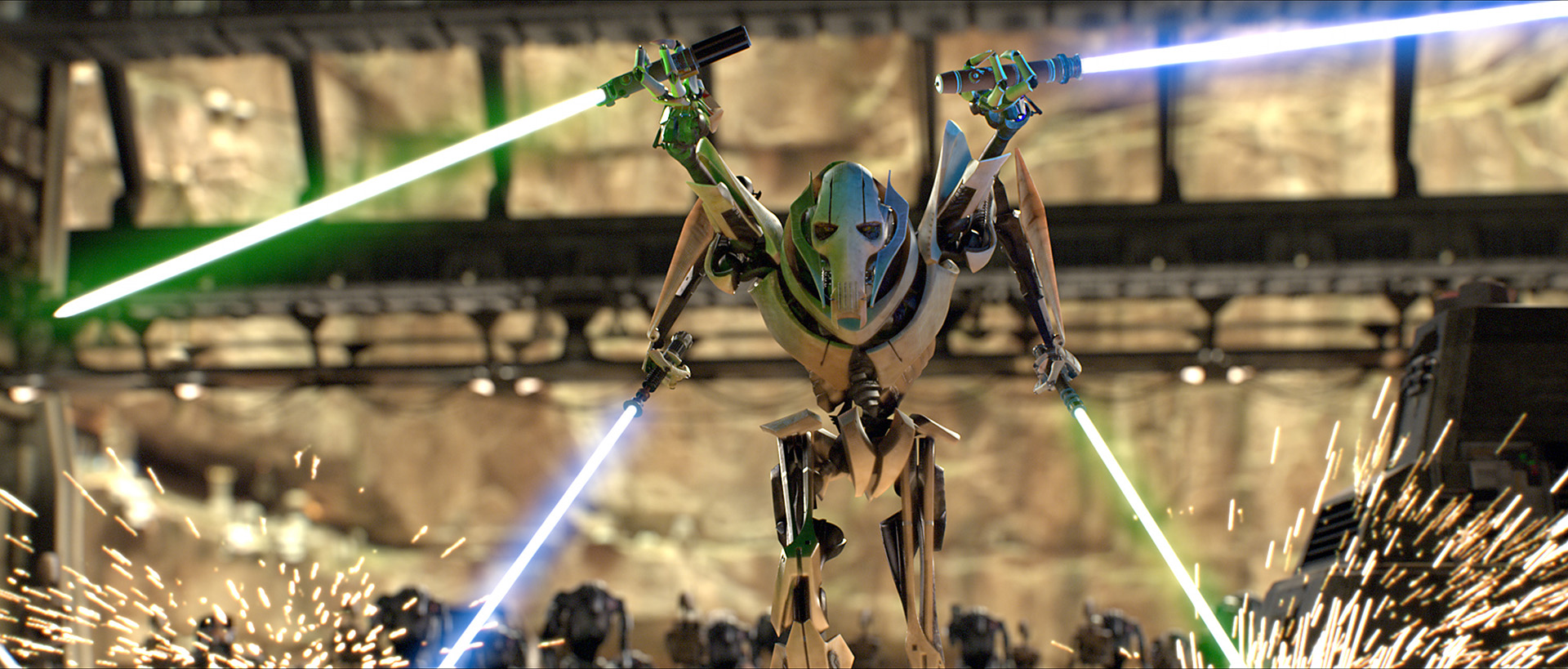
And if you prefer beautiful and meaningful shots, then here are the clones shown from above, marching into the Jedi Temple. Here is Padmé, sobbing in front of the burning temple. Here, in the end, are Owen and Beru, symbolizing new hope, admiring the double Tatooine sunset.

Before the premiere of The Force Awakens, the prequels were generally criticized - they seemed to fans too childish, stupid, digital and empty. In the last ten years, fandom has finally begun to rethink the trilogy and honor its strengths. But Revenge of the Sith, then and now, continues to be considered the best part of the three. And most importantly, the film has not aged at all and is now perceived as the same visual miracle as it was twenty years ago. Truly, as Stover wrote,“and although the time of heroes is ending, it has saved the best for last.”